 BIRDSings
Mallard calling in November: the 3 sounds that actually decoy ducks
Late-season mallards respond to feed chatter and lonesome hen quacks far more than to the textbook hail call. Here is the sequence that works for cold mornings on European wetlands.
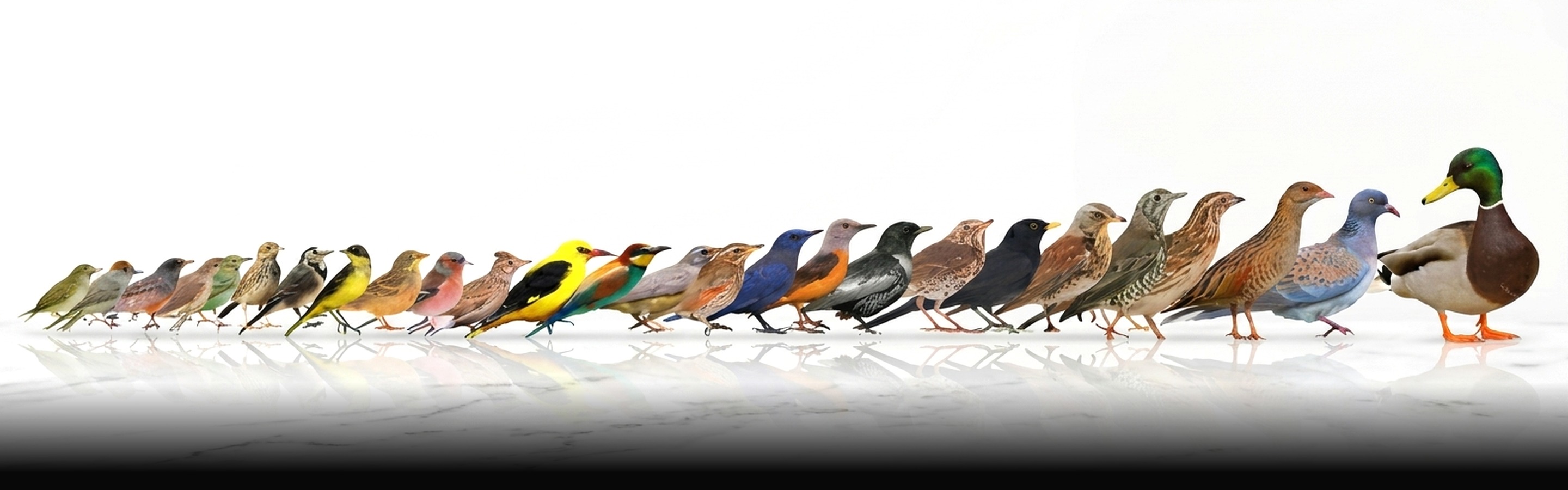
Most hunters reach for the loud hail call when a flock passes overhead. By November that habit costs ducks — pressured birds have learned that long, exaggerated calling means humans. Switch to feed chatter and single hen quacks and you will pull birds that would otherwise glide past your spread.
The 3-sound sequence that closes late-season mallards
- Single hen quack when ducks are still high — one note, not five. Mimics a content hen on water. Wait 8–15 seconds between calls; silence is a call too.
- Lonesome hen call as they start their first pass — 4 to 6 descending quacks, then silence. Stops with the ducks off your left shoulder, never head-on.
- Feed chatter as they swing on the second pass — the call you would hear from twenty hens muttering over a flooded corn pile. Layer two tracks at different volumes if your speaker will loop cleanly.
Cadence: silence is the ingredient hunters skip
Field tests we ran over four Novembers in Northern Greece and Bulgaria showed the same pattern: successful call sequences averaged 1 call every 40–70 seconds once the flock committed, not the constant chatter you hear on YouTube tutorials. If a pair breaks off on your first note, you already have their attention — stop calling and let the decoy spread do the rest.
Why 320 kbps matters more than you think
The micro-transients in real duck calls — the click at the start of every quack, the low rasp underneath, the way the pitch bends fractionally on the last note — vanish in 128- or 192-kbps MP3s. Birds notice. Every BirdSings recording ships at MP3 320 kbps, mastered from studio WAV, so the call sounds the same through a field speaker as it does through professional studio monitors. The Mallard call pack has 6 individual sounds covering the drake, hen, and feed chatter you need for this sequence.
Speaker placement and volume
Bury the speaker in the decoy spread, not on the blind. Sound coming from the decoys is what closes birds; sound coming from the blind is what flares them. Set volume so a hunter 40 metres away can just make out the quack — anything louder trips the "wrong scale" alarm bell in a duck's brain long before it can name why.
Wind, water, and cold
Late-season mallards prefer sheltered water. Set your speaker on the downwind edge of the spread so the sound travels with the wind — ducks approach into the wind and want to hear the flock before they see it. Below 0 °C, plastic speaker cones lose compliance and clip on the low frequencies of a hen quack; keep the speaker inside your jacket until first shooting light.
Ethical restraint on Anas platyrhynchos
Mallard is Least Concern globally and a legal quarry species almost everywhere it occurs, but call effectiveness has an ethical ceiling. Do not run electronic decoys after the local season closes; do not call to migrating flocks over protected wetlands; respect the daily bag limit even when the calling is working perfectly. Your country-by-country hunting-law summary covers season dates and per-species limits.
Related species pages
The same call cadence works, with pitch adjusted, for related dabblers on wetlands where they overlap with mallard: Eurasian Teal, Wigeon, Gadwall, and Pintail. On mixed rafts you often get better hooking chatter by cycling through 2–3 species rather than looping one file.