 BIRDSings
Goldfinch song calendar: month-by-month vocal changes in the Mediterranean
Carduelis carduelis sings a different song in February than in July. Knowing the seasonal shift is the difference between fooling a bird and being spotted as a fake.
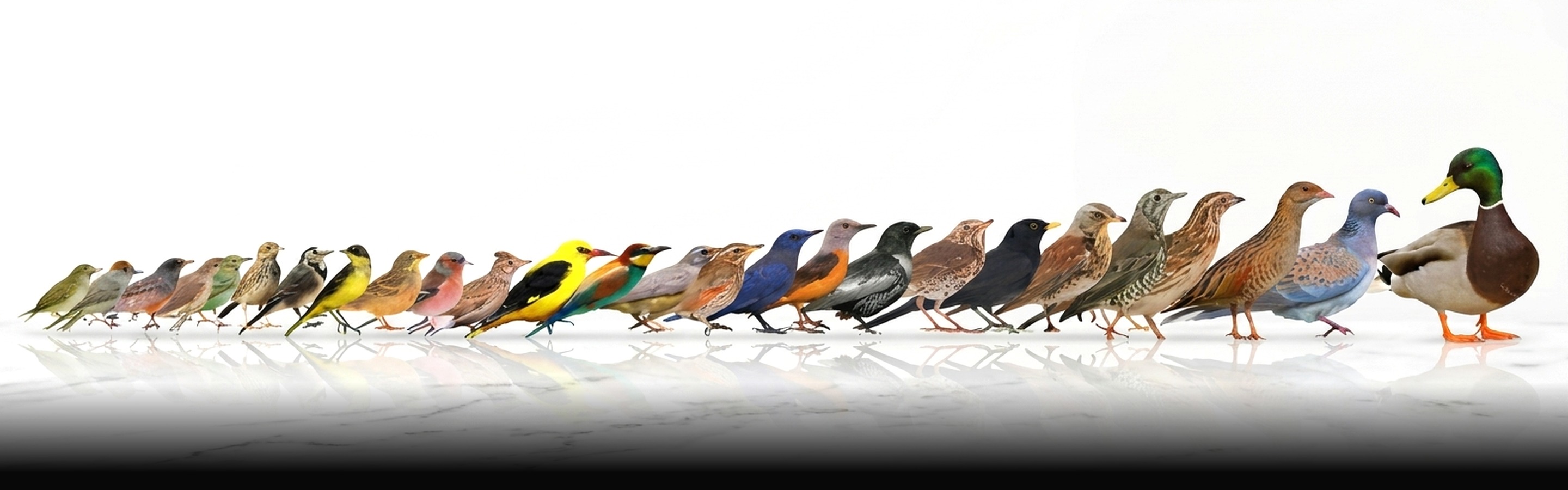
The European Goldfinch (Carduelis carduelis) is one of the most acoustically studied Palearctic songbirds — and one of the most misused calls in the field. The species does not sing a single «call». It cycles through at least six distinct vocal behaviours across the year, and the wrong one in the wrong month reads as instantly wrong to any Goldfinch within earshot.
The six functional call types
- Contact call. The short, liquid «tickelit» used between individuals in flight and while feeding. Frequency band centred around 2.5–4 kHz. Given year-round.
- Full song. The extended melodic sequence of trills, rattles, and pure notes given by territorial males. Peaks March–June across the Mediterranean.
- Sub-song. A quieter, more variable rehearsal song given by young males and by adults outside the breeding season, especially in late autumn.
- Distress / alarm. Sharp, harsh notes given in response to raptors or human proximity. Higher-frequency and much shorter duration than the contact call.
- Nest-attending call. Soft, low-amplitude calls between paired birds near an active nest — almost never captured on commercial recordings.
- Winter roost chatter. Low-amplitude social calls given at communal winter roosts.
Month-by-month calendar (Southern Europe)
| Month | Dominant vocal behaviour | Notes |
|---|---|---|
| January | Contact call, some sub-song | Flocks feeding on thistle heads and seed remnants. |
| February | Sub-song increases; first full-song bouts | Pair-forming begins in mild years. |
| March | Full song — peak territorial behaviour | Loud, prolonged song from perches. |
| April | Full song; nest-attending calls near incubation sites | Pair bonding, first broods. |
| May | Full song continues; contact calls at feeding sites | Peak breeding. |
| June | Full song tapers; contact calls dominant | Fledglings on the wing, giving juvenile begging calls. |
| July | Contact calls; sub-song from juveniles | Second broods in favourable years. |
| August | Contact calls; family groups | Post-breeding moult. |
| September | Contact calls; small pre-migration flocks form | Local movements begin. |
| October | Contact calls; sub-song from young | Peak passage in Mediterranean. |
| November | Contact calls; winter flock chatter | Flocks stabilise on winter feeding grounds. |
| December | Contact calls; roost chatter | Communal roosts form. |
Regional dialects: goldfinch does not sound the same everywhere
Field bioacoustics research has documented measurable song-structure differences between Iberian, Balkan, and Anatolian populations. If you are calling in Greece or Cyprus, prefer recordings sourced from the eastern Mediterranean population over Iberian-sourced tracks; goldfinches recognise mismatched dialects and either ignore them or, worse, alarm-call and drive out neighbours. Every recording on the BirdSings Goldfinch page is sourced from Mediterranean-basin birds specifically for this reason.
Ethics and legality
Goldfinch keeping has a deep cultural history in Southern Europe, but taking a wild goldfinch from the wild is a criminal offence across the EU under the Birds Directive Annex I derivatives and national wildlife law. Recorded playback for identification, ringing under licence, or listening at home is legal in every EU member state. Playback near an active nest during the breeding season is not ethical practice even where it is technically legal; drop the volume, keep sessions to under 60 seconds, and move on. Our country-by-country disclaimer covers the specifics.
Related passerine calls
If you are learning the goldfinch, you almost certainly want the related finches and passerines that share its habitat: Chaffinch, Greenfinch, Linnet, Siskin, Bullfinch, and Hawfinch. Cycling through them during a session builds the mental library that lets you name a call at 40 metres, in mixed woodland, in a hurry.